by Mohammad Amees, Assistant Librarian, Shiv Nadar School of Law, Chennai, India
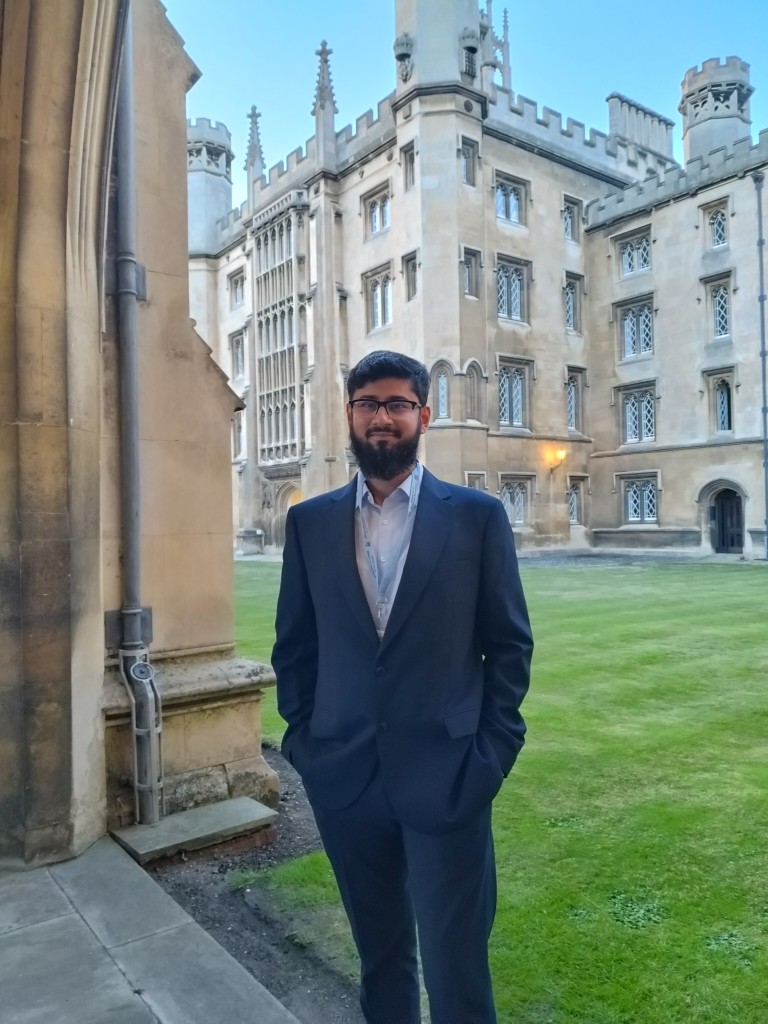
As a law librarian from Chennai, attending an IALL Annual Course was a longstanding dream, and in September 2026, that dream became reality.
I was one of the IALL grant winners at the 44th Annual Course, held at the University of Cambridge. The theme of the course was “Shifting Politics and Legal Realities: Taking a Punt into the Future”. In this post, I would like to share my experience, my key learnings and some highlights of this wonderful week.
Why I applied for the IALL grant
As a law librarian, I see my role as bridging the gap between legal information and those who need it. My professional goal is to support research, improve access to legal knowledge, and help users navigate an increasingly complex digital information environment. I applied for the IALL grant because I view it as more than financial support for attending a conference. For me, it is an opportunity to learn from some of the world’s leading legal information professionals, gain exposure to international best practices, and develop a broader understanding of the evolving role of law libraries. The IALL Annual Course offers a level of specialised and globally focused professional development that is difficult to access locally. Through this kind of international collaboration, I hope to bring innovative practices to my institution and contribute to the advancement of law librarianship both in India and beyond.
Key learnings and highlights
It is impossible to include every session here, as there were many excellent ones, each using a different format beyond the traditional lecture, along with visits and movie screenings, but a few stood out for me.
The main programme was opened by Sir John Baker, Downing Professor Emeritus of the Laws of England at Cambridge University, with a lecture on “King, Parliament and Common Law in English History”. He is, beyond any doubt, the finest legal historian in England today, and this was my favourite session. Having heard so much about this world-famous legal historian throughout my professional journey, the opportunity to listen to him in person was truly exciting and memorable. The session gave an understanding of how the common law evolved through the historical relationship among the Crown, Parliament and the courts, and offered helpful context for the conference’s broader focus on shifting politics and legal realities.
Another memorable part of the programme was the visit to the Cambridge Union. In the Union’s historic Debating Chamber, Lucy Lewis, the first woman to hold the post of University Marshal, introduced us to the University’s ceremonial traditions. The session offered a fascinating insight into Cambridge’s institutional customs and the role of ceremony in university life. It was a valuable opportunity to understand the heritage and identity of one of the world’s leading universities beyond its academic and legal collections.
On the second day of the conference, guided tours were offered of four Cambridge University libraries: the Squire Law Library, Cambridge University Library, the Wren Library of Trinity College and the Parker Library of Corpus Christi College. I chose the Parker Library, where Tuija Ainonen from the library’s staff showed us around. The collection was largely established in the late sixteenth century by Matthew Parker (1504–75), Archbishop of Canterbury and Master of the College. It includes magnificent books such as the sixth-century Gospels of Augustine, the earliest copy of the Anglo-Saxon Chronicle, the Bury Bible and the autograph copy of Matthew Paris’ Chronica Majora. Seeing these treasures in person was a wonderful experience for me. As a librarian, I was also impressed that the College makes them available to the world, through loans for exhibitions in museums and libraries and through Parker Library on the Web.
How libraries can help the law
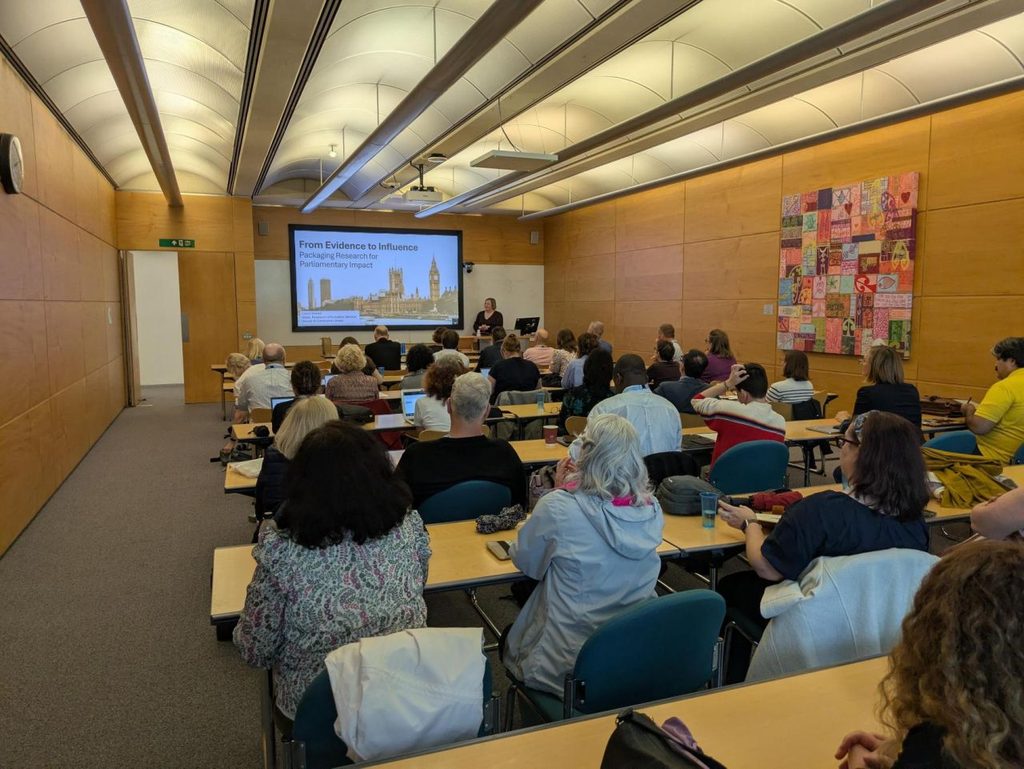
At the pre-conference workshop on Sunday, Claire Sewell, Head of the Research Information Service at the House of Commons Library, presented “From Evidence to Influence: Packaging Research for Parliamentary Impact”. The workshop introduced us to the work of a Parliamentary library and gave insight into how researchers gather the information they need to support the democratic process. For me, it was a valuable reminder that librarians can help transform research into evidence that is not only available, but also usable and influential. In academic libraries, we often think our work is finished once we find the information for the user, but this session showed me how important the next step is.
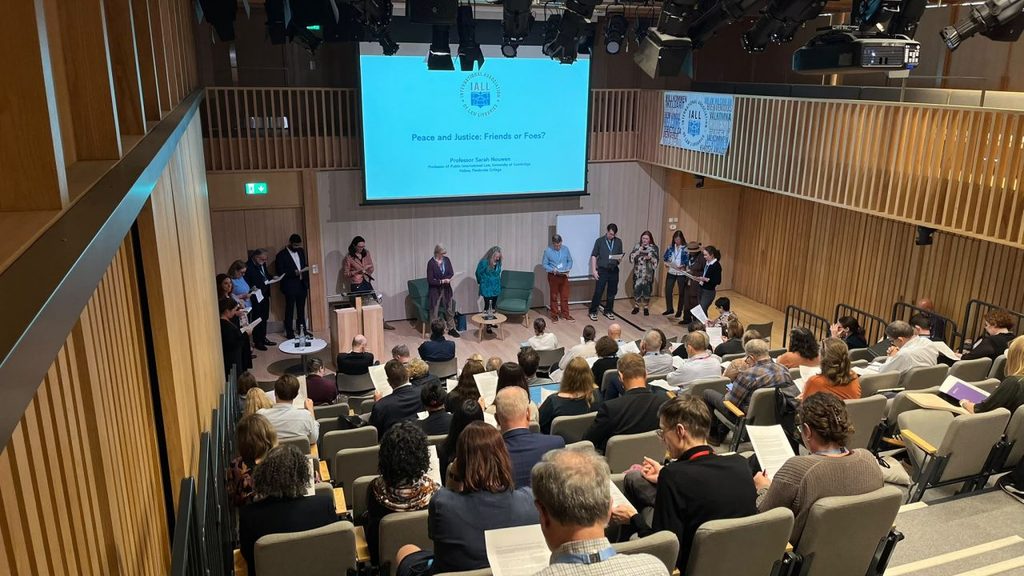
Professor Sarah Nouwen’s lecture “Peace and Justice: Friends or Foes?” was one of the most engaging sessions for me. I particularly enjoyed the interactive activity she conducted to explain how the International Court of Justice works. I also had the opportunity to participate in the activity, which made the session even more interesting and memorable. It was an excellent experience, and it made me think about how we can use activities like this when we teach our own users.
Learning from colleagues around the world
The course was an excellent platform for me to meet and mingle with librarians from across the world. Even the casual conversations with them were packed with knowledge and wisdom built over years of experience. What I found interesting is that, unlike in India, most librarians in other countries have some form of legal education and are involved in teaching law, guiding research, and serving as subject-matter experts in various legal fields. This was eye-opening for me and made me wonder whether being trained in law gives a more nuanced understanding of legal research and resources.
Another fascinating thing was the approach each of them had towards AI. We have been debating at my institution what an ideal approach to AI usage should be, with opinions swinging between extremes: some call for banning it, while others encourage integrating it completely. It was quite informative to learn how different countries and institutions have dealt with the AI question, and how, amidst all of it, the balance has tilted in favour of educating users and building their AI skills rather than banning it.
Though there is much to celebrate and look forward to, the interactions also highlighted that, irrespective of jurisdiction, we all face the same universal problems: low budgets, manpower shortages and, of course, research in the age of AI.
Beyond the sessions
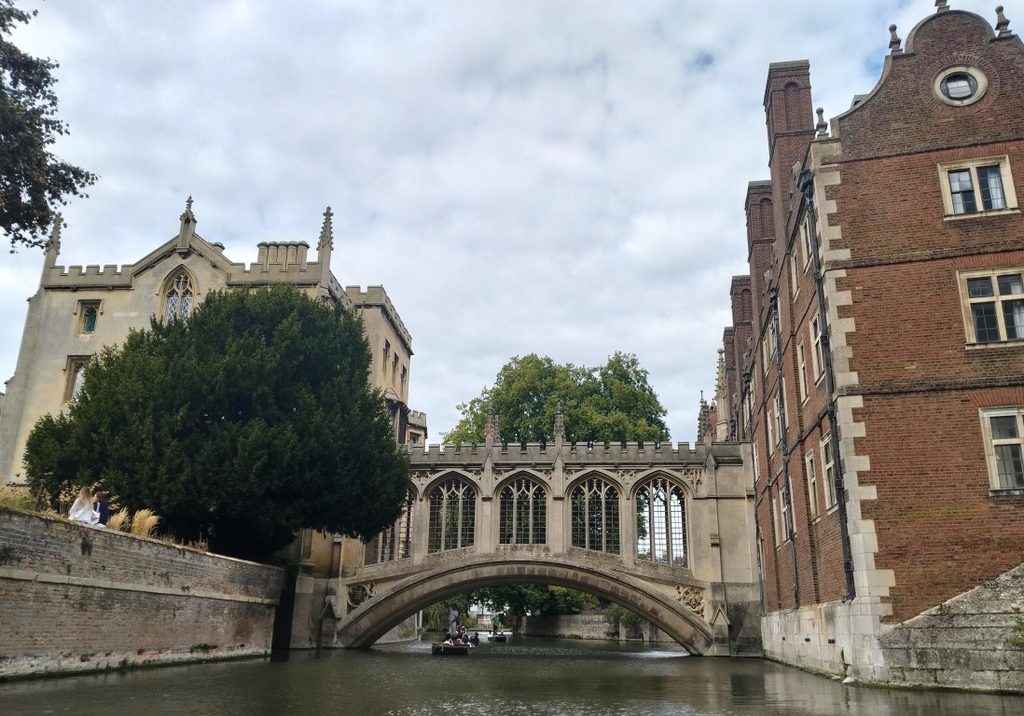
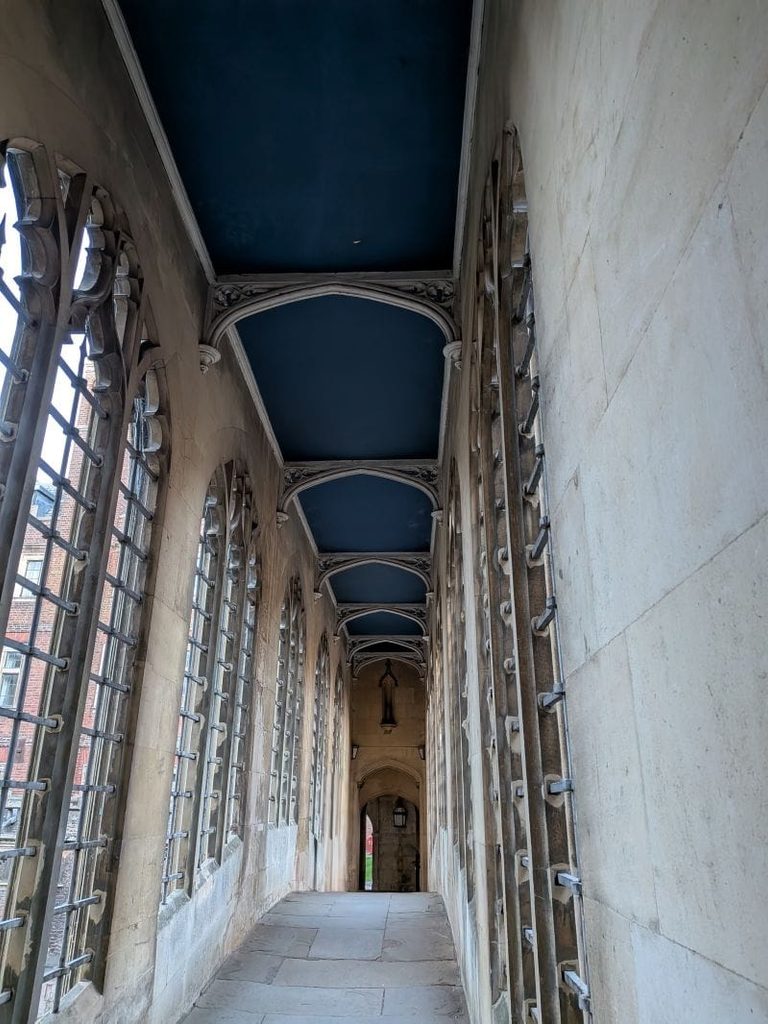
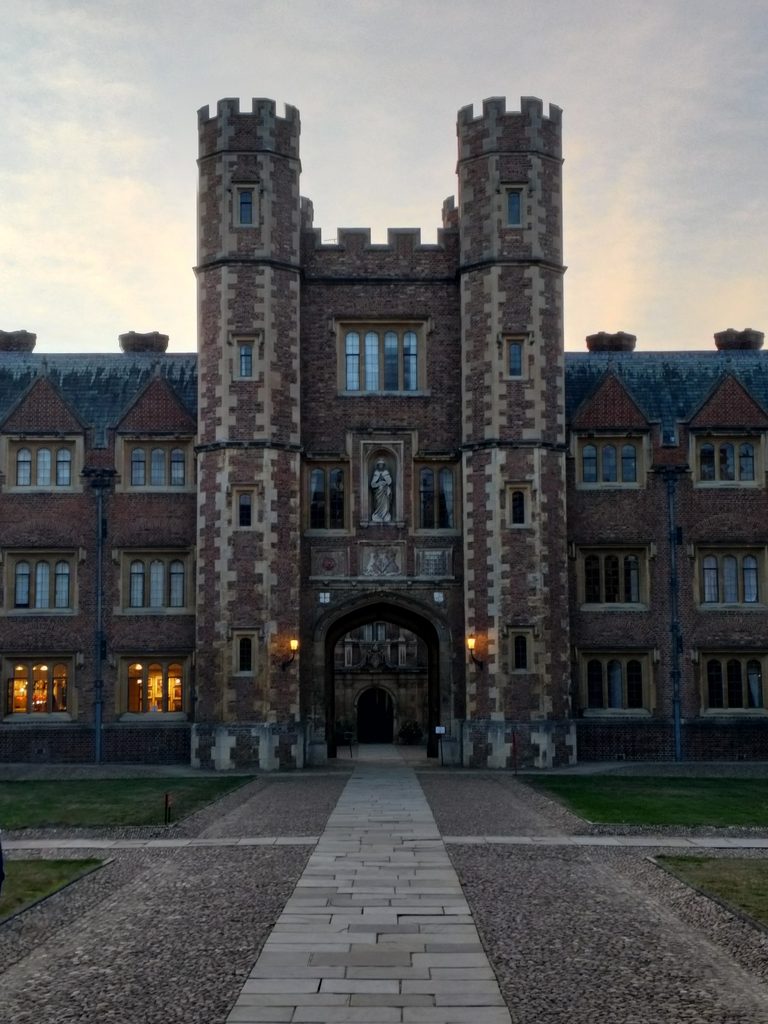
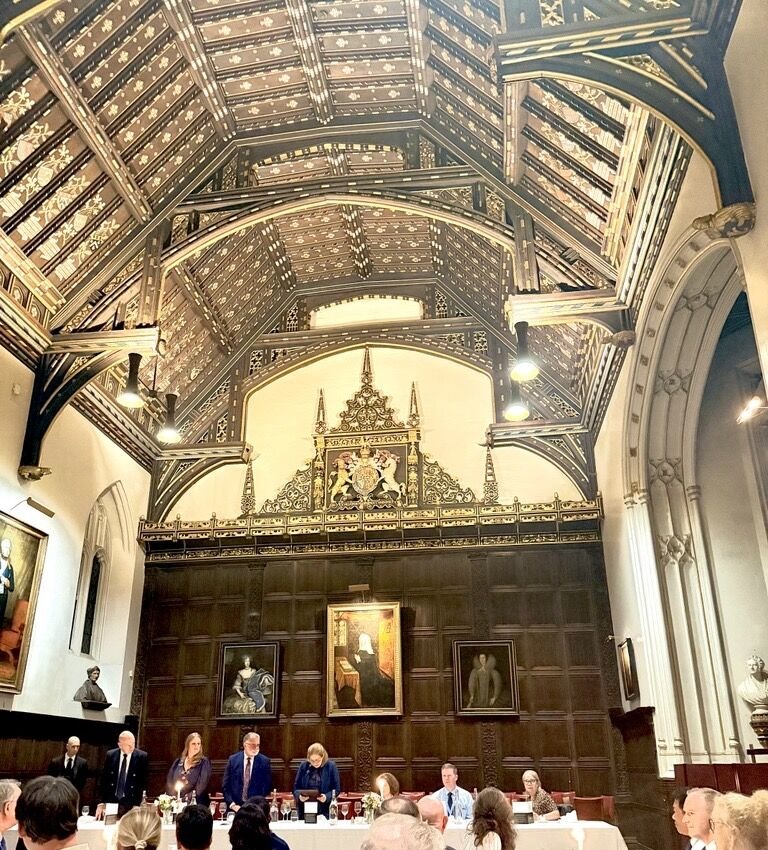
Many of our meals during the Annual Course were served in the beautiful, old, architecturally significant dining halls of the Cambridge colleges. This was topped off on Wednesday evening by the Annual Dinner, held in the Hall of St John’s College, another beautiful venue. The food and all the arrangements were excellent.
On the optional day, we visited the city of Ely. After experiencing the academic atmosphere and historic beauty of Cambridge University and the River Cam, I explored Ely for another glimpse into its rich history. The most important highlight was Ely Cathedral, an impressive architectural masterpiece that reflects centuries of history and craftsmanship.
Lessons to bring home
This course gave me so many ideas to take back home. Three lessons stood out for me: first, presenting research so that it is not only available but also usable for our users; second, using interactive activities, like Professor Nouwen’s, in our user training sessions; and third, making our collections more accessible, as the Parker Library does with its digitised manuscripts.
The course broadened my understanding of the possibilities and potential of a law library. I now see my role as broader than just serving my users. Having had the opportunity to learn from some of the best librarians and experts, an opportunity many in my country would not have, I feel fortunate and plan to share what I have learnt with my colleagues. I also understand the importance of associations of librarians. The way IALL has brought people together and sustained their engagement at a global level is something worth replicating at our regional level, with an objective to keep ourselves updated and learn about new tools, to organise events where we can share experiences and reflections, and perhaps simply to build a sense of community and solidarity. In a world where people are writing off the role of libraries and librarians in the age of AI, the Annual Course was a reminder that our job has only become more advanced and important, not extinct.
I close with a word of thanks to IALL for the grant that made this journey possible. I am deeply indebted to the Board Members Mark Engsberg (President), Vanessa Blackmore (Grants Committee Chair), and Jean M. Wenger (Treasurer). I will always look back fondly to the pizza and the warm hospitality extended by Michael McArthur (Secretary). My thanks are also due to David Wills, Librarian of the Squire Law Library, Cambridge University, and all the members of the Local Planning Committee for organising and carrying off such a splendid IALL Annual Course. Everything was well planned, well organised and on time.
It was a truly memorable week and my first IALL conference, but I hope it will not be my last. I look forward to staying in touch with my colleagues and continuing to learn from their experience.
This Blog contains entries by members of the International Association of Law Libraries on issues germane to the Association’s areas of focus. Views expressed in an individual entry only represent the views of the author, and not those of the International Association of Law Libraries or the author’s employer.